Best Board Games for 2 Players: 12 Classics and Modern Picks
Updated 2026-10-06
Some board games are made for four or six people and feel flat with two. The ones below are different: they work best with exactly two players. Some take a minute to learn, some take a lifetime to master, and a few need nothing more than a pen and a piece of paper. For each one you will find what it is like to play, how long a game takes, and the basic rules so you can start today.
Quick pick
| Game | Best for | Difficulty | One game takes |
|---|---|---|---|
| Tic tac toe | Kids, waiting rooms | Very easy | 1 minute |
| Connect 4 | Quick head-to-head games | Easy | 5–10 minutes |
| Dots and boxes | Pen and paper anywhere | Easy | 10 minutes |
| Battleship | Guessing and bluffing | Easy | 20–30 minutes |
| Checkers | Your first strategy game | Easy to medium | 15–30 minutes |
| Mancala | Counting and planning ahead | Easy to medium | 15 minutes |
| Dominoes | Casual evenings | Easy to medium | 15–30 minutes |
| Othello | Sudden comebacks | Medium | 20–30 minutes |
| Backgammon | Skill plus a little luck | Medium | 30–45 minutes |
| Chess | Deep strategy | Hard | 30 minutes and up |
| Go | The deepest of them all | Hard | 30 minutes and up |
| Modern two-player games | Couples who play often | Medium | 20–45 minutes |
Times are rough and depend on how fast you both play.
Tic tac toe
You need: a pen and paper, or just a screen. Goal: be the first to get three of your marks in a row.
Take turns writing X and O in a 3×3 grid. Three in a row, across, down or diagonally, wins. If you both play well, it always ends in a draw, so it is really a game for learning what a fork is: one move that makes two threats at once. Once the 3×3 game is too easy, try bigger grids such as 5×5.
Connect 4
You need: the board, or a browser. Goal: line up four discs in a row.
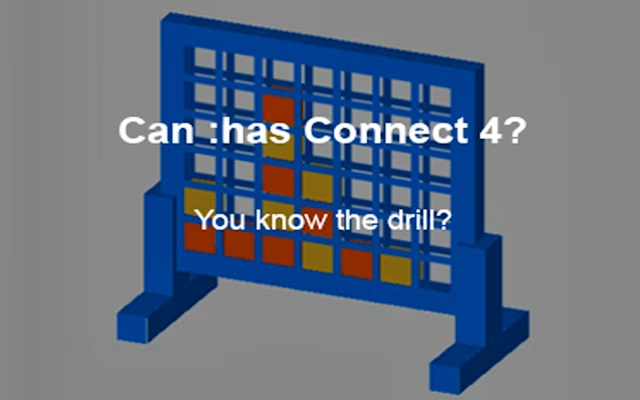
The board has 7 columns and 6 rows. You take turns dropping a disc into a column, and it falls to the lowest free space. Four in a row, horizontally, vertically or diagonally, wins. The centre column is the strongest, and the trick is to build two threats at the same time. Read our page on Connect 4 for two players for the full rules and tips.
Dots and boxes
You need: pen and paper. Goal: close more boxes than your opponent.
Draw a grid of dots. On your turn, draw one line between two neighbouring dots. If your line completes the fourth side of a box, you claim the box and move again. The player with the most boxes at the end wins. The clever part comes late in the game: sometimes it is smart to give away a few boxes so that your opponent has to open a big chain for you.
Battleship
You need: two grids and a set of ships, or a browser version. Goal: sink your opponent's whole fleet.
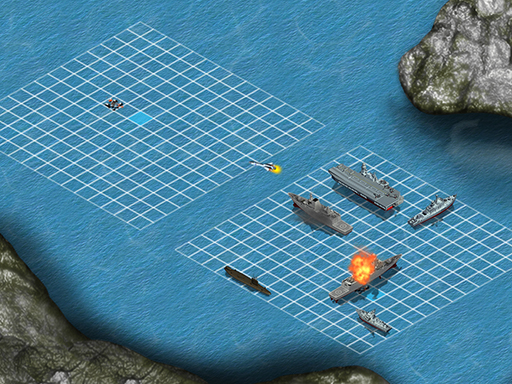
Each player secretly places ships on a grid. You take turns calling a square ("B7"), and your opponent answers hit or miss. When every square of a ship has been hit, it sinks. Start by scanning in a checkerboard pattern, then search around a hit until the ship is sunk.
Checkers
You need: an 8×8 board and 12 pieces each. Goal: capture all of your opponent's pieces or leave them with no move.
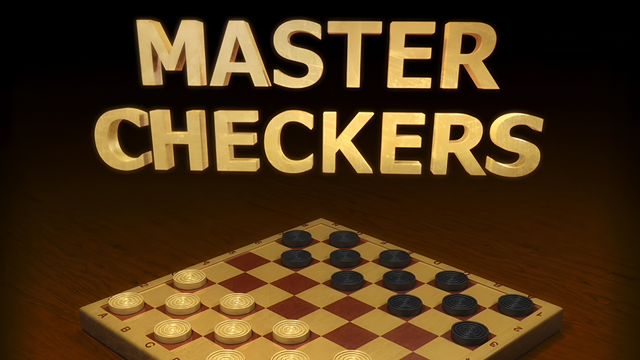
Pieces move one square diagonally forward. If an enemy piece is next to yours and the square behind it is empty, you jump it and take it. Reach the far side and your piece becomes a king that moves both ways. Different countries play slightly different rules, so agree on them before you start. Our page on 2 player checkers explains the rules of the version you can play here.
Mancala
You need: a board with two rows of pits and a store on each end. Goal: collect more stones in your store than your opponent.
In the common Kalah version, each of your six pits starts with the same number of stones. On your turn, pick up all the stones from one of your pits and drop one into each following pit, going round the board. If your last stone lands in your store, you move again. It looks simple, but planning several turns ahead makes a big difference.
Dominoes
You need: a set of 28 tiles. Goal: get rid of your tiles first, or hold fewer dots when the game is blocked.
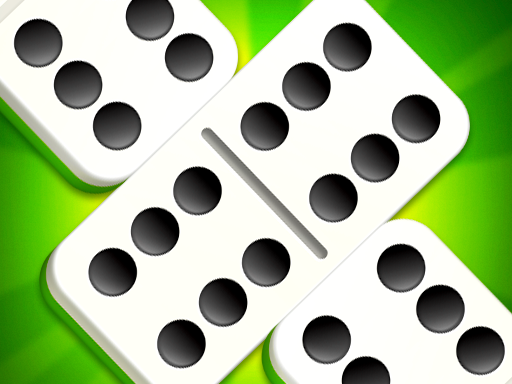
Each player takes seven tiles. You take turns adding a tile that matches a number at one end of the chain, and you draw from the pile when you cannot play. It is relaxed enough to play while chatting. Our page on dominoes for two players has the full rules.
Othello (Reversi)
You need: an 8×8 board and discs that are dark on one side and light on the other. Goal: have more discs of your colour when the board is full.
You place a disc so that it traps a line of your opponent's discs between two of yours. All the trapped discs flip to your colour. Because a single move can flip many discs, the lead changes hands all the time, and the person who is behind for most of the game can win at the end.
Backgammon
You need: a backgammon board, 15 checkers each and two dice. Goal: move all your checkers around the board and off it before your opponent.
You roll two dice each turn and move your checkers by those numbers, hitting single enemy checkers so they have to start again from the bar. The dice bring luck, but choosing how to use each roll is real skill, which is why strong players win most of the time over several games.
Chess
You need: a chessboard and 16 pieces each. Goal: checkmate the opponent's king.
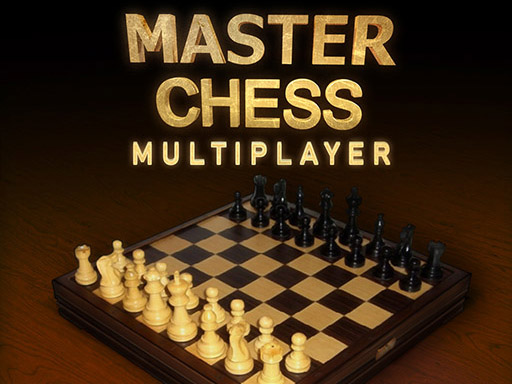
Chess has no luck at all, and every piece moves differently. A game can be over in minutes or turn into a long fight. If you are new, learn how the pieces move first, then start with three ideas: control the centre, develop your pieces early, and keep your king safe. Ready for a game? Try Master Chess Multiplayer on our site.
Go
You need: a Go board and black and white stones. Goal: surround more territory than your opponent.
Players take turns placing a stone on any empty point. Stones that are completely surrounded are captured. The rules are simpler than chess, but strategy is so deep that people study it for a lifetime. A 9×9 board is a good way to start, and a game on it is fairly short.
Modern board games made for two
If you like the classics and want something newer, there is a whole group of board games designed for exactly two players. A few well-known ones:
- Patchwork: build a quilt by buying patches with buttons and time. Calm and clever.
- 7 Wonders Duel: a two-player card game about building a civilisation.
- Jaipur: a fast trading card game about camels and goods.
- Lost Cities: a card game about going on expeditions, deciding which ones are worth the risk.
- Codenames: Duet: a cooperative word game where you and your partner give each other one-word clues.
These are sold in shops, so check that a copy is available where you live before you plan a game night around them.
Play board games for two online
No board handy? These are free in your browser on 2PlayerHub:
- Connect 4 two player
- 2 player checkers
- Tic tac toe 2 player
- Dominoes 2 player
- Master Chess Multiplayer
- Battleship War Multiplayer
Card fan? Read our list of the best 2 player card games.
How to choose
- Playing with a child: tic tac toe, Connect 4 or dots and boxes.
- You have ten minutes: Connect 4, checkers or dots and boxes.
- You want to think: chess, Othello or Go.
- You like a bit of luck: backgammon or dominoes.
- You want something for a regular date night: try one of the modern two-player games.
FAQ
- What is the best board game for 2 players?
- It depends on what you want. For a quick, easy game, Connect 4 or checkers. For deep strategy, chess or Go. For skill with a little luck, backgammon. All of these work best with exactly two players.
- What are good board games for two people that are easy to learn?
- Tic tac toe, Connect 4, dots and boxes, Battleship and checkers can all be learned in a couple of minutes. Dominoes and mancala take a little longer but are still simple.
- Which 2 player board games need no equipment?
- Tic tac toe and dots and boxes only need a pen and paper. You can also play many classics for free in your browser without any board.
- Can I play board games for two players online for free?
- Yes. On 2PlayerHub you can play Connect 4, checkers, tic tac toe, dominoes, chess and Battleship in your browser, with no download.